

- English
 Español
 Português
 русский
 Français
 日本語
日本語 Deutsch
 tiếng Việt
 Italiano
 Nederlands
 ภาษาไทย
 Polski
 한국어
한국어 Svenska
 magyar
 Malay
Malay বাংলা ভাষার
 Dansk
Dansk Suomi
Suomi हिन्दी
 Pilipino
 Türkçe
 Gaeilge
 العربية
 Indonesia
 Norsk
Norsk تمل
تمل český
český ελληνικά
 український
 Javanese
 فارسی
فارسی தமிழ்
தமிழ் తెలుగు
 नेपाली
 Burmese
 български
 ລາວ
ລາວ Latine
 Қазақша
 Euskal
 Azərbaycan
 Slovenský jazyk
 Македонски
 Lietuvos
 Eesti Keel
 Română
 Slovenski
 मराठी
मराठी Srpski језик

How Does a Heavy Duty Handheld Pneumatic Crusher Improve Industrial Material Breakdown Efficiency?
2025-12-11
A Heavy Duty Handheld Pneumatic Crusher is a high-force, air-powered industrial tool designed to break, crush, shear, and fragment dense materials commonly encountered in heavy manufacturing, demolition, metalworking, and recycling operations. Unlike electrically powered or manually operated crushers, pneumatic units leverage compressed air to deliver consistent, high-impact force with reduced heat generation and minimal mechanical wear.
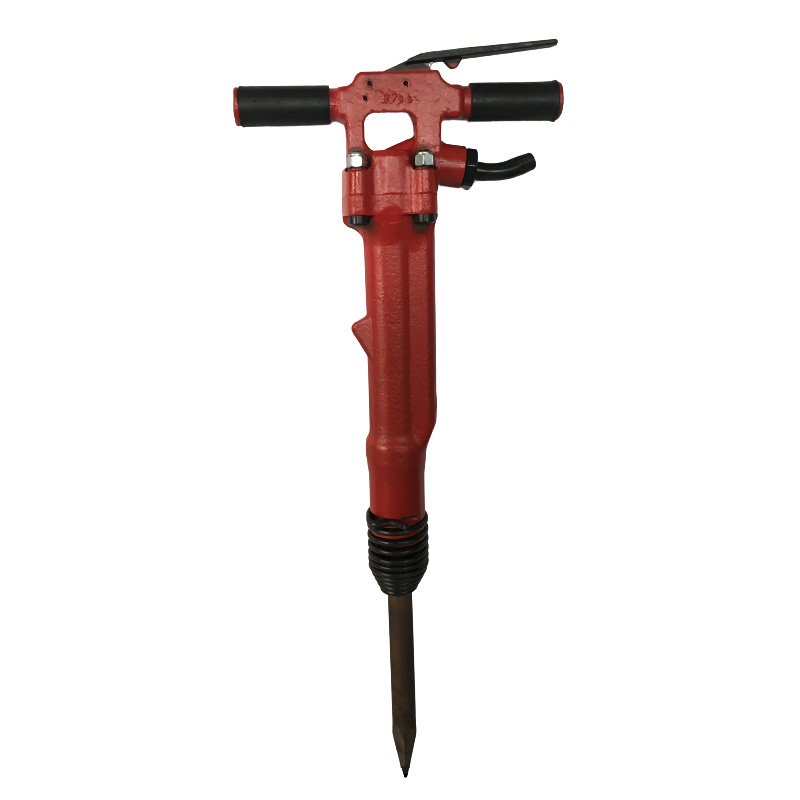
Technical Specifications Overview
| Parameter | Specification |
|---|---|
| Operating Pressure | 0.6–0.8 MPa (Standard Industrial Air Supply) |
| Impact Energy | 30–55 J (Depending on Model Configuration) |
| Crushing Frequency | 900–1,200 bpm |
| Body Material | Hardened Alloy Steel with Anti-Corrosion Coating |
| Tool Weight | 4.5–6.5 kg for Handheld Operation |
| No-Load Air Consumption | 14–18 L/s |
| Hose Connection Standard | 1/4" or 3/8" Quick-Connect Pneumatic Fitting |
| Vibration Level | <8 m/s² Depending on Grip and Housing Design |
| Noise Level | 85–95 dB |
| Compatible Attachments | Chisel Points, Flat Bits, Crushers, Shears, Multi-Purpose Impact Heads |
This article will use four core sections to explain how the Heavy Duty Handheld Pneumatic Crusher functions within modern material-processing environments, how performance variables interact with industrial workflows, how market adoption patterns are shifting, and how operators can leverage application strategy to maximize output.
How Does Pneumatic Crushing Technology Enhance Material Breakdown Operations?
The Heavy Duty Handheld Pneumatic Crusher operates through high-velocity compression driven by regulated air pressure. When compressed air flows into the hammer chamber, the internal piston cycles at high frequency, generating repeated linear impacts transmitted through a hardened bit. This creates a stable and predictable crushing pattern suited for metal composites, dense aggregates, weld residues, concrete fragments, castings, and other high-strength materials. The mechanism is optimized for environments requiring durability, continuous operation capability, and controlled fragmentation.
In real-world industrial workflows, material breakdown efficiency depends on several operational mechanics:
Impact Force Consistency
Pneumatic systems maintain uniform impact through a closed-loop pressure channel. Industrial compressors deliver a steady PSI/MPa load, enabling the crusher to maintain uninterrupted momentum even during dense-material penetration. This reduces operator fatigue and mitigates the common slowdown seen with electric or battery-powered systems when voltage drops.
Thermal Stability
Because no electric motor is present, heat accumulation remains low. Continuous operation is therefore possible during long shifts in metal fabrication shops, foundries, or on-site demolition zones.
Material Compatibility
The hardened steel impact components and interchangeable bits enable multi-scenario application. Whether removing weld slag, cutting through corroded fasteners, or fragmenting structural components, the crusher provides the necessary percussive power without tool overload.
Operator Control
The handheld format allows maneuverability in limited spaces such as production lines, pipeline corridors, equipment maintenance compartments, and infrastructure retrofitting sites. Air-powered tools also provide immediate start/stop responsiveness, increasing precision.
By integrating these operational principles, the pneumatic crusher acts as a high-efficiency material-processing instrument capable of sustaining industrial throughput while providing repeatable crushing force.
How to Select the Right Heavy Duty Handheld Pneumatic Crusher for Industrial Use?
Selecting the appropriate pneumatic crusher requires a structured evaluation of application requirements, environmental restrictions, and operator-focused ergonomics. The performance characteristics of the tool must align with material density, workspace constraints, and job-specific impact thresholds.
Key Selection Factors
1. Impact Energy and BPM Output
Higher Joule ratings are suitable for demolition-grade tasks or hardened metals. Manufacturing environments that need precision should prioritize mid-range impact forces with controllable frequency.
2. Air Pressure Compatibility
Most factories employ central compressed-air systems in the 0.6–0.8 MPa range. Ensuring compatibility prevents overconsumption and maintains safe operating pressures.
3. Device Weight and Ergonomics
Handheld pneumatic crushers must support extended operation. Weight distribution, vibration damping, and handle geometry directly influence operator endurance and process accuracy.
4. Durability Requirements
Housing materials, anti-corrosion coatings, and reinforced pistons determine how well the tool withstands high-cycle industrial use. Hardened alloy steel is preferred for prolonged exposure to abrasive environments.
5. Maintenance Accessibility
Tools intended for continuous use should allow for easy lubrication, seal replacement, and piston inspection. A modular structure with readily accessible air chambers reduces downtime.
6. Attachment Compatibility
Facilities requiring multi-purpose functionality should validate support for chisel tips, flat breakers, wedge cutters, and crusher-style attachments.
A well-aligned pneumatic crusher selection strategy ensures optimal cost-performance balance, reduced maintenance overhead, and maximized operator output.
How Are Pneumatic Crushing Tools Shaping Industrial and Manufacturing Trends?
Industrial markets increasingly favor pneumatic crushers due to their balance of dependability, force output, and operational safety. Several macro-level trends illustrate how the Heavy Duty Handheld Pneumatic Crusher continues to influence manufacturing process improvements:
Advancing Operational Efficiency
Shift-line manufacturing, equipment refurbishment, and smart factory initiatives prioritize tools that reduce manual processing time. Pneumatic crushers fit into this modernization by delivering faster fragmenting performance with minimal thermal accumulation.
Workforce Safety Enhancement
Industrial safety frameworks emphasize vibration management, noise reduction, and operator fatigue mitigation. Pneumatic crushers now incorporate enhanced damping systems, reinforced handles, and optimized piston chambers to meet these requirements.
Environmental and Cost Optimization
Compressed-air systems allow factories to operate without the energy spikes associated with electric crushing tools. Air-powered mechanisms also reduce heat-based component degradation, lowering long-term maintenance costs.
Integration with Automated Compression Lines
Future manufacturing lines anticipate tool-assisted automation, where pneumatic crushers may interface with robotic arms or automated feeding mechanisms. Their stable impact profile makes them suitable for integration into hybrid manual-robotic workflows.
Material Complexity and Innovation
As industries adopt composite materials, high-density alloys, and engineered aggregates, the demand for tools capable of controlled and precise fragmentation rises accordingly. Pneumatic crushers provide the force consistency necessary to work with such modern materials.
These multi-industry trends highlight why many sectors—metallurgy, automotive fabrication, aerospace assembly, shipbuilding, mining support, and infrastructure refurbishment—continue to invest in pneumatic crushing technology as part of their long-term operational strategies.
How to Maintain and Troubleshoot a Heavy Duty Handheld Pneumatic Crusher for Long-Term Reliability?
Maintenance is central to achieving peak performance from a pneumatic crusher. Because the tool relies on continuous airflow and repetitive piston cycling, preventive upkeep directly influences impact consistency, safety, and equipment lifespan.
Core Maintenance Practices
Regular Lubrication
Pneumatic oil prevents internal scoring and maintains piston responsiveness. A regular lubrication schedule reduces wear, ensures consistent percussion velocity, and prevents moisture-driven corrosion.
Air Supply Integrity Checks
Ensuring correct air pressure, filtration, and dryness prevents contamination inside the hammer chamber. Water or particulate infiltration can impair piston movement and accelerate seal degradation.
Seal and O-Ring Inspection
Seals maintain pressure equilibrium. Excessive leakage triggers impact loss and operational instability. Regular inspection ensures the system maintains full impact energy.
Attachment and Bit Preservation
Impact bits must remain sharp and structurally intact. Blunt or damaged bits reduce crushing efficiency and increase the force required for breakdown, which stresses the piston.
Housing and Fastener Tightening
Vibration during continuous operation can loosen exterior fasteners. Routine torque checks prevent structural damage and ensure operator safety.
Troubleshooting Common Symptoms
Loss of Impact Force
Potential Causes: Air pressure drop, lubrication deficiency, worn seals, piston obstructions.
Corrective Action: Verify pressure, re-lubricate, inspect air pathway, replace seals, and clear debris.
Irregular Impact Sound
Potential Causes: Loose housing bolts, damaged bit seating, uneven piston cycling.
Corrective Action: Re-tighten structural components, verify bit alignment, and inspect piston chamber.
Excessive Vibration
Potential Causes: Handle damping wear, unbalanced attachment, internal wear.
Corrective Action: Replace dampers, balance attachments, and inspect internal assemblies.
Common Questions About Heavy Duty Handheld Pneumatic Crushers
Q1: How does air pressure affect the crusher’s impact performance?
A1: The applied air pressure directly determines the piston’s velocity and impact energy. Insufficient pressure reduces the striking force, while excessive pressure may accelerate component wear. Maintaining the recommended 0.6–0.8 MPa ensures optimal balance between performance, safety, and longevity.
Q2: What materials can a Heavy Duty Handheld Pneumatic Crusher effectively break down?
A2: It is suitable for metal components, cast iron residues, concrete sections, weld slag, bolts, rivets, mineral composites, and hardened industrial aggregates. The tool’s high-frequency percussion allows controlled fragmentation without generating excessive heat or electrical hazards.
Conclusion and Contact
The Heavy Duty Handheld Pneumatic Crusher continues to play a vital role in industrial material-processing operations due to its force stability, durability, and compatibility with demanding work environments. From manufacturing lines to demolition sites, its air-powered mechanism supports precision, continuous use, and energy-efficient operation. As industries transition toward automation, advanced materials, and higher safety standards, this tool remains aligned with emerging requirements and future market adoption patterns. Organizations seeking long-term reliability and robust impact performance will find pneumatic crushing systems essential for sustaining operational throughput.
CMM provides industrial-grade pneumatic crushers engineered for durability, ergonomic operation, and consistent high-impact output in diverse working conditions. For product specifications, procurement guidance, or technical consultation, contact us to discuss how our solutions can support your operational objectives.



X
We use cookies to offer you a better browsing experience, analyze site traffic and personalize content. By using this site, you agree to our use of cookies.
Privacy Policy